

You know that sinking feeling. You’ve got the perfect spot for a vegetable bed, but you’re worried about what’s lurking in the soil. Maybe it’s an old painted shed that flaked for decades, or perhaps a lingering concern about lead from past activities. The thought of hauling in tons of new topsoil is daunting—and expensive.
What if I told you one of the most powerful clean-up crews on Earth is already waiting beneath your feet? It’s silent, efficient, and costs almost nothing. It’s called mycoremediation—the practice of using fungi to break down and absorb environmental toxins.
Let’s dive in and untangle how these incredible organisms can help you reclaim your garden’s health.
What is Mycoremediation, Really?
At its heart, mycoremediation is a form of bioremediation. That’s just a fancy word for using living things to clean up pollution. While bacteria often get the spotlight, fungi are the unsung heroes. Think of them not as just mushrooms, but as vast, microscopic networks called mycelium.
This mycelium is the fungal equivalent of roots. It’s a sprawling web of thread-like cells that secretes powerful enzymes. These enzymes are like molecular scissors, capable of chopping complex, toxic chemicals—things like petroleum, pesticides, and heavy metals—into simpler, harmless components. The mycelium can then often absorb and sequester them.
The Fungi’s Toolbox: How It Works in Your Garden
So how does this translate to your backyard? The process is surprisingly straightforward. Fungi tackle contamination in two main ways:
- Enzymatic Degradation: For organic pollutants like oils, herbicides, or even some plastics, fungi literally digest them. They break the chemical bonds and use the resulting molecules for food.
- Bioaccumulation: For inorganic nasties like lead, cadmium, or arsenic, the mycelium acts like a sponge. It draws these heavy metals into its structure, effectively pulling them out of the soil matrix and concentrating them. You then remove the mushroom fruiting bodies to take the metals away.
It’s a slow, gentle process. Not an overnight fix, but a profound and lasting one. It’s like employing a patient, microscopic workforce that never clocks out.
Getting Started: Which Fungi for Which Problem?
Not all fungi are equal in the clean-up game. Different species have different appetites. Here’s a quick, practical guide to matching the fungus to the contaminant in your contaminated garden soil.
| Common Contaminant | Promising Fungal Species | Notes & Considerations |
| Petroleum Hydrocarbons (oil, diesel) | Oyster Mushrooms (Pleurotus ostreatus) | Extremely effective. Often used in “mushroom burritos” on spill sites. |
| Pesticides & Herbicides | Turkey Tail (Trametes versicolor) | Excellent degrader of complex chlorinated compounds. |
| Heavy Metals (Lead, Cadmium) | Shaggy Mane (Coprinus comatus), Oyster Mushrooms | They accumulate metals. Crucial: Harvest and dispose of mushrooms safely—do not eat. |
| Creosote, PAHs | Garden Giant (Stropharia rugosoannulata) | A robust, garden-friendly species that tolerates disturbance. |
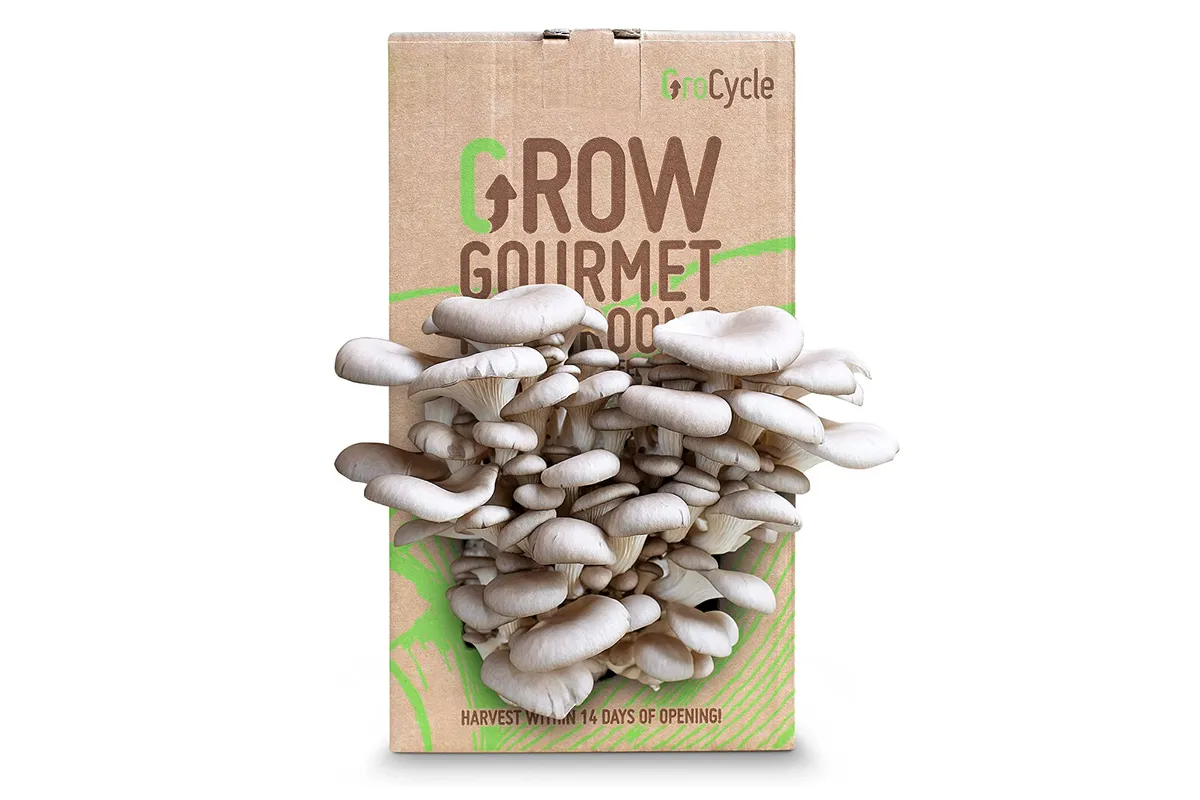
Oyster mushrooms are, honestly, the go-to for beginners. They’re aggressive, easy to grow, and handle a wide range of toxins. You can even buy ready-to-use mycoremediation kits or inoculated burlap sacks.
A Simple Step-by-Step Project: The “Fungal Filter” Bed
Feeling experimental? Here’s a basic method to try in a corner of your garden. It’s a low-commitment way to see the power of mycelium.
- Test Your Soil: First, know your enemy. Get a basic soil test to identify contaminants and their levels. This is non-negotiable for safety.
- Choose Your Champion: Based on your test, pick a fungal species. Oyster mushroom spawn (sawdust or grain spawn) is widely available.
- Prepare the Site: In a slightly shaded area, loosen the top 6-8 inches of soil. Mix in some straw or wood chips—this gives the mycelium a carbon-rich food source to boost its growth.
- Inoculate: Break up your fungal spawn and mix it thoroughly into the prepared bed. Cover with a 1-inch layer of straw to retain moisture.
- Wait and Water: Keep the bed damp, like a wrung-out sponge. In a few weeks, white, web-like mycelium should colonize the area. Mushrooms may fruit when conditions are right.
- Monitor and Remove: For heavy metals, always harvest and bag the mushrooms for landfill disposal. For degraded organics, the spent material can eventually be composted.
The Real-World Caveats & Considerations
Now, here’s the deal. Mycoremediation isn’t a magic wand. It’s a tool. For severe contamination—like industrial levels of lead—professional remediation is still essential. Fungi are best for low to moderate pollution, a scenario frustratingly common in urban and older suburban gardens.
Patience is key. This process can take multiple growing seasons. You’re not just growing mushrooms; you’re cultivating an entire ecosystem. And that ecosystem works best when supported. Combining fungi with phytoremediation (using plants like sunflowers or ferns) can create a synergistic effect, a true living filtration system.
The biggest mental shift? Viewing the mushroom not as the goal, but as a signpost. The real work is done by the hidden mycelial network. A lack of mushrooms doesn’t mean failure.
Why This Matters Now More Than Ever
In a world obsessed with quick fixes and harsh chemicals, mycoremediation offers a different path. It’s a form of gentle stewardship. It builds soil structure, increases microbial diversity, and works with natural cycles instead of against them.
It redefines what we consider waste. That oil spot in the lawn, those lingering pesticide residues from the 70s—to the mycelium, they’re just another meal ticket. It’s a powerful reminder that some of our most knotty problems have biological solutions, solutions that are resilient, low-tech, and inherently sustainable.
You’re not just cleaning soil. You’re partnering with one of nature’s oldest and most successful life forms to heal a patch of the Earth. And that’s a pretty profound thing to do from your own backyard.
